Introduction
Sarees have always been a cornerstone of Indian fashion, representing elegance, tradition, and versatility. From everyday wear to weddings and festive celebrations, sarees remain a timeless choice for women across generations. With evolving trends and increasing online shopping, buyers now have access to a wide variety of sarees from across the country at the click of a button.
However, with this convenience comes a challenge—identifying pure fabric sarees when shopping online or even offline. Pure fabric sarees not only look more refined but also offer superior comfort, durability, and value for money. In contrast, synthetic or blended fabrics may appear attractive initially but often lack longevity, breathability, and authentic drape.
Understanding how to identify pure fabric sarees before buying is essential for making informed decisions. This guide will walk you through different saree fabrics, key indicators of fabric purity, practical testing methods, common myths, and what to look for when shopping online—helping you invest confidently in sarees that truly stand the test of time.
Understanding Different Types of Saree Fabrics
Each saree fabric has unique characteristics that affect its texture, drape, comfort, and durability. Knowing these differences is the first step toward identifying pure fabric sarees.
Cotton
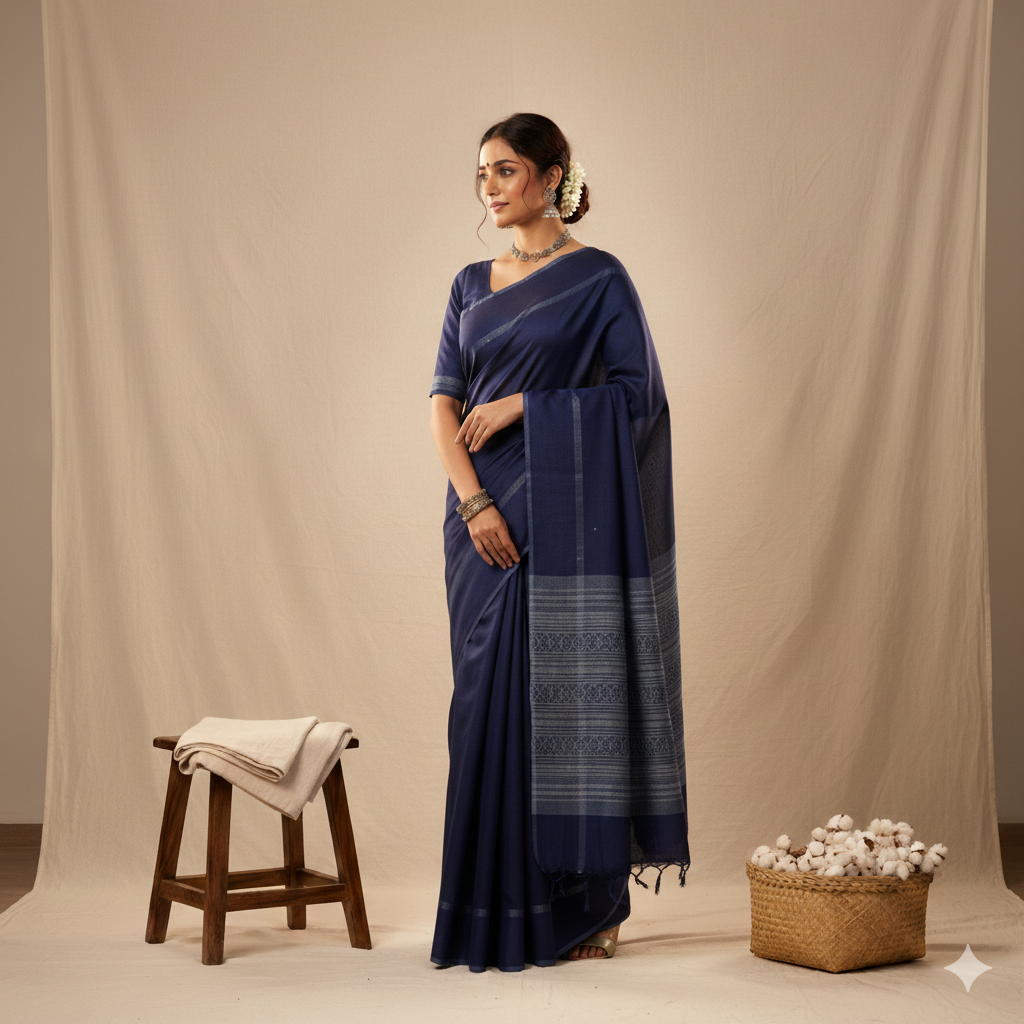
Pure cotton sarees are breathable, soft, and ideal for daily wear and warm climates. They absorb moisture well and feel comfortable against the skin. Over time, cotton sarees become softer with each wash, which is a sign of authenticity.
Silk
Pure silk sarees are known for their natural sheen, smooth texture, and luxurious drape. They feel warm in winter and cool in summer. Authentic silk has a subtle luster rather than an overly glossy finish.
Georgette
Pure georgette is lightweight, slightly crinkled, and flows gracefully. Traditionally made from silk, pure georgette feels soft and airy, unlike synthetic versions which may feel slippery or stiff.
Chiffon
Chiffon sarees are sheer, delicate, and feather-light. Pure chiffon (silk-based) has a matte finish and soft texture, whereas synthetic chiffon often feels plastic-like and overly shiny.
Linen
Linen sarees are crisp, breathable, and known for their natural texture. Pure linen has a slightly rough feel initially and becomes softer with use. Wrinkling easily is a natural characteristic of genuine linen.
Velvet
Pure velvet sarees are rich, dense, and luxurious. Made from silk or cotton bases, authentic velvet has a deep pile and smooth finish, unlike synthetic velvet which may feel flat or overly shiny.
Key Features of Pure Fabric Sarees
Recognizing certain physical characteristics can help you determine whether a saree is made from pure fabric.
Texture and Feel
Pure fabrics feel natural against the skin. Cotton feels soft and breathable, silk feels smooth yet slightly textured, and linen feels crisp. Synthetic fabrics often feel slippery or unnaturally smooth.
Weight and Drape
Pure fabric sarees usually have a balanced weight and drape gracefully. Silk and cotton sarees fall naturally, while synthetic sarees may feel either too light or excessively stiff.
Sheen and Luster
Authentic fabrics have a subtle, natural sheen. Pure silk glows softly under light, whereas synthetic sarees often have an artificial shine that appears too glossy.
Color Fastness
Pure fabrics absorb dyes better, resulting in rich yet balanced colors. Excessive color bleeding during the first wash may indicate inferior quality or synthetic blends.
Breathability
Pure fabrics allow air circulation, making them comfortable for long wear. Synthetic sarees often trap heat, causing discomfort, especially in warm weather.
Tips for Identifying Pure Fabric Sarees
There are several practical methods you can use to check fabric purity, especially when shopping offline or after receiving an online order.
The Burn Test (Conduct Safely)
Take a small thread from the saree (preferably from an edge) and burn it carefully.
- Pure cotton and silk burn slowly and leave ash.
- Synthetic fabrics melt, curl, or produce a plastic-like smell.
Water Test for Color Bleeding
Dip a corner of the saree in water.
- Pure fabrics may release minimal excess dye initially.
- Excessive bleeding indicates poor dye quality or synthetic blends.
Checking the Label for Fiber Content
Always read product labels carefully.
- Look for clear mentions like “100% pure silk” or “100% cotton.”
- Vague terms such as “silk blend” or “art silk” indicate mixed or synthetic fibers.
Inspecting Weaving and Finishing
Examine the saree closely.
- Pure fabric sarees have even weaving, clean borders, and fine finishing.
- Loose threads, uneven patterns, or rough edges may indicate low-quality production.
The Smell Test
Natural fabrics have little to no smell.
- Synthetic sarees may have a chemical or plastic odor, especially when new.
Common Myths About Saree Fabrics
There are many misconceptions that often mislead buyers. Understanding the facts can help you shop smarter.
Myth: All Silk Sarees Are Pure
Not all sarees labeled as silk are pure. Many are blended or made from artificial silk. Always verify fabric details before purchasing.
Myth: Cotton Sarees Are Always Soft
Pure cotton sarees may feel slightly stiff when new. Softness increases with washing, which is actually a sign of authenticity.
Myth: Expensive Sarees Are Always High Quality
Price alone does not guarantee purity. Branding, embroidery, and embellishments can increase cost even if the base fabric is blended.
Why Buy Pure Fabric Sarees Online?
Online shopping offers several advantages when done through trusted platforms.
Convenience and Variety
E-commerce platforms provide access to a wide range of sarees from different regions, styles, and fabrics without geographical limitations.
Access to Reviews and Ratings
Customer reviews offer valuable insights into fabric quality, comfort, and durability, helping buyers make informed choices.
Return Policies and Customer Support
Reputable websites offer easy returns and responsive customer service, reducing the risk of online shopping.
Buying pure fabric sarees online allows you to compare options, prices, and quality transparently.
What to Look for in an E-commerce Website
Choosing the right platform is as important as choosing the right saree.
Clear Product Descriptions
Detailed fabric information, care instructions, and weaving details indicate transparency and reliability.
High-Resolution Images
Multiple zoomed-in images help assess texture, weave, and finishing.
Customer Reviews and Ratings
Authentic feedback builds trust and highlights real user experiences.
Secure Payment Options
Look for secure checkout processes and trusted payment gateways.
Easy Return and Exchange Policies
Flexible return policies ensure peace of mind if the product doesn’t meet expectatio
Conclusion
Identifying pure fabric sarees before buying is essential for ensuring comfort, durability, and long-term value. By understanding different fabric types, recognizing key features of purity, and applying simple tests, shoppers can confidently distinguish authentic sarees from synthetic alternatives. Debunking common myths and choosing reliable e-commerce platforms further enhances the buying experience.
With the right knowledge and attention to detail, purchasing pure fabric sarees becomes a rewarding investment rather than a gamble.
Call to Action (CTA)
Explore our curated collection of pure fabric sarees, crafted with authenticity, quality, and timeless elegance in mind. From pure cotton and silk to linen and velvet, each saree is carefully selected to meet the highest standards.
Shop confidently and experience the beauty of pure fabrics—because true elegance begins with authenticity.